SFP Modules: The Secret to Faster Network Speeds
Have you ever wondered how data centers and large companies can achieve such incredibly fast network speeds and bandwidth? The secret lies in small pluggable devices called SFP modules. While the name may sound complex, SFP modules are compact transceivers that slide into ports on networking equipment like routers and switches to send and receive data. These little devices are the unsung heroes enabling our increasingly connected world.
Without SFP modules, many of today’s high-bandwidth networking technologies would not be possible. They convert electrical signals to optical signals and back again to allow different networking equipment to communicate with each other. Whether you’re streaming 4K video, accessing cloud-based apps, or just browsing the web, SFP modules are working behind the scenes to make sure information gets where it needs to go as fast and efficiently as possible.
Next time you’re enjoying fast Wi-Fi or streaming media with no buffering, you can thank the small but mighty SFP for making it happen. These transceivers may be small in size but they deliver huge benefits through faster and more reliable network connectivity.

What Is an SFP Module?
An SFP module, or small form-factor pluggable module, is a compact, hot-swappable component that plugs into a port on a network switch, router, or other networking equipment. It allows the device to connect with fiber optic or copper networking cables.
SFP modules come in many types to suit different needs. The most common are:
- SFP modules for fiber optic cables, like the SFP (fiber optic) or SFP+ (10-gigabit fiber optic)
- SFP modules for copper cables, such as the 1000BASE-T SFP
- BiDi (bidirectional) SFP modules that can use one fiber strand for transmitting and receiving
- DWDM (dense wavelength division multiplexing) SFP modules that can transmit multiple signals over one fiber optic cable
SFP modules offer several benefits. They’re hot-swappable, meaning you can plug and unplug them without powering down the networking device. They’re also standardized, so you have flexibility in choosing modules from different brands. ###
Most importantly, SFP modules allow for faster network speeds. As technology has advanced, SFP modules have evolved to handle more bandwidth - from the original 1 gigabit per second SFP to 10, 25, 40, and now 100 gigabit per second and faster options.
By using the latest high-speed SFP modules, you can significantly boost your network bandwidth and performance. Many enterprise networks and data centers rely on these modules to achieve fast connectivity across campuses and between facilities. For the average business or home network, SFP modules provide an easy way to upgrade to faster speeds as your needs increase.
Benefits of Using SFP Modules
SFP modules offer some amazing benefits for your network.
For starters, they provide faster speeds. By using SFP modules, you can upgrade from the typical 1 Gbps to 10, 40, or even 100 Gbps Ethernet ports. That means blazing-fast transfer speeds and almost zero lag time.
They also give you more flexibility. With SFP modules, you have options to choose copper or fiber cables based on your needs. Fiber gives you longer reach, up to 40km, while copper is good for shorter runs under 100m. You can also hot-swap modules to switch between media types or upgrade speeds without any downtime.
Another big plus is that SFP modules save you money. Rather than ripping out your old switch for a newer, faster model, you can simply plug in new SFP modules to boost your speeds at a fraction of the cost. They provide an affordable way to scale your network bandwidth over time as your needs change.
On top of all that, SFP modules are compact, low power, and generate little heat. They won’t take up much space in your switch or require any special cooling. They’re also standardized, so you can use modules from different vendors in the same equipment.
Add even more value
By using SFP modules in your network switches and routers, you'll gain faster speeds, lower costs, increased flexibility, and scalability. What's not to love? If you want a network that can handle more data and connect more devices without issues, SFP modules are the secret to unlocking higher performance. Your network will work smarter and faster, adding value that extends to every part of your business.
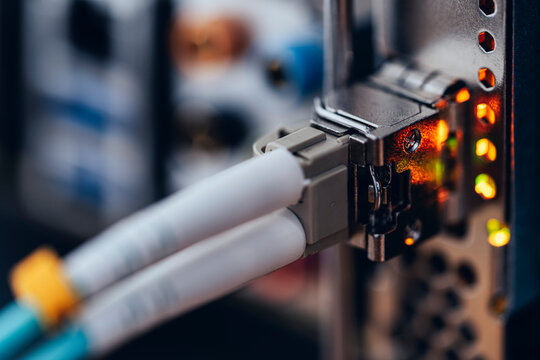
Types of SFP Modules
There are several types of SFP modules available that allow you to customize the network connectivity in your devices. The most common are:
Copper SFPs
These modules have an RJ-45 port that accepts a standard Ethernet cable. They are the easiest to set up since you can use the same cables you already have. Copper SFPs can provide 1GbE or 10GbE speeds over distances of up to 100 meters. They are a good, cost-effective option if you only need short-range connectivity.
Fiber SFPs
Fiber SFPs use optical fibers instead of copper wires to transmit data over longer distances. Single-mode fiber SFPs can achieve speeds of 10GbE up to 10 kilometers, while multi-mode fibers are good for up to 550 meters at 10GbE. Fiber SFPs require a fiber optic cable with LC connectors to connect to the module. They provide faster speeds and greater reach, but the special cabling can be more expensive.
BiDi SFPs
Bi-directional or BiDi SFPs have two separate transmit and receive fibers in a single LC fiber connector. They only require a single strand of fiber for full duplex communication in both directions. BiDi SFPs can achieve up to 10GbE over distances of up to 10 kilometers. They provide enhanced speed and range while only needing half the amount of fiber cabling compared to standard SFPs. However, both connected devices must support BiDi for it to function properly.
• CWDM SFPs - Use multiple wavelengths of light over a single fiber for up to 18 channels. Can achieve speeds of up to 4GbE per channel for an aggregate bandwidth of 72GbE. Requires CWDM mux/demux and filters.
• DWDM SFPs - Increase the number of channels to up to 96 for an aggregate bandwidth of up to 960GbE over a single fiber. More complex to set up and typically used for long-haul transmissions.
Choosing the right SFP module for your needs will ensure you get the network speed, range, and connectivity you require. SFPs provide an easy way to upgrade your network interfaces for faster access and expanded reach.
How to Choose the Right SFP Module
Choosing the right SFP module for your network switch or router is key to achieving maximum speed and performance. There are a few factors to consider when selecting an SFP module:
Speed
The most important factor is the speed you need. SFP modules come in speeds ranging from 100Mbps up to 100Gbps. For most small to mid-size businesses, 1Gbps or 10Gbps SFP+ modules should work great for connecting network equipment and servers. If you’re building a high-capacity data center, 40Gbps or 100Gbps modules will give you lightning-fast speeds.
Transceiver type
Another consideration is the transceiver type. Copper transceivers use twisted-pair cabling and are good for short distances, while fiber optic transceivers use fiber cables and can span up to 40km. Fiber is better for high-bandwidth and long-distance applications.
Wavelength
For fiber optic transceivers, you’ll need to choose a wavelength that matches your fiber cabling. The options are 850nm for multimode fiber and 1310nm or 1550nm for single-mode fiber. Make sure any fiber patch cables you purchase are also rated for the same wavelength.
Brand compatibility
Not all SFP modules work in every brand of network equipment. Check that the module is specifically compatible with your switch or router model to ensure it will be recognized and function properly. Using an incompatible module can lead to loss of connectivity or even damage your equipment.
Cost
Finally, consider your budget. SFP module prices range from around $20 up to $5,000 or more for high-end modules. In general, higher speeds and longer reach will mean a higher cost. For most small business needs, you can get a perfectly suitable SFP module for between $30 to $200.
By taking the time to evaluate these factors, you can choose an SFP module that delivers the speed, connectivity, and value that you need. The right SFP module is the secret to unlocking faster network speeds and higher performance.

Troubleshooting Common SFP Module Issues
Troubleshooting your SFP modules is often a process of elimination to determine the root cause of any connectivity or performance issues. As with any technology, SFP modules can experience problems from time to time that may require some DIY diagnostics before calling in tech support.
The first thing to check is if the SFP module is properly seated in the port. Over time, modules can become slightly loose or misaligned, interfering with the connection. Gently remove the SFP module and reinsert it into the port, ensuring it clicks firmly into place. Next, inspect the module itself for any visible damage to the connectors or casing. Small cracks or bent metal on the module can prevent it from functioning correctly.
If the SFP module appears undamaged, the next step is to check your cabling. Faulty or improperly connected cables are a common cause of connectivity problems. Ensure both ends of the fiber optic or Ethernet cable are plugged directly and securely into the correct ports on the SFP module and network device. Swap out any suspect cables to determine if the cabling is the issue.
Signal Loss
If your network is experiencing slow speeds or frequent disconnections, you may be dealing with signal loss in the SFP module or cable. This can happen over time due to aging components or excess stress on the hardware. To check for signal loss, you'll need an optical power meter to measure the strength of the light signals passing through the fiber optic cable and SFP module. Most SFP modules will specify the acceptable range of optical power levels in their specs. Anything below or above that range indicates possible signal loss and a need for replacement.
With a few basic tests, you can identify and fix common issues related to your SFP modules and get your network humming again. However, if you continue to experience unresolved problems, it's best to contact your SFP module or networking equipment provider for additional support. They can help determine if replacement hardware is needed to restore connectivity and speed.

Conclusion
So there you have it. SFP modules are the unsung heroes of faster network connectivity. While most people focus on the latest Wi-Fi standards or Ethernet cables when trying to boost their network speed, SFP modules provide an easy and cost-effective way to ramp up the pace. Whether you need faster speeds for gaming, 4K video streaming, or just general web browsing, SFP modules can deliver. And the good news is, they're compatible with most routers, switches, and other networking gear you already own. Why not give your network an upgrade and unlock faster speeds? SFP modules are small but mighty, and they just might make a bigger difference than you expect.


Comments
Post a Comment